Checking Out Various Sorts Of Interlocking Pavers: Which One is Right for You?
Introduction
When it concerns improving outside spaces, few products equal the flexibility and aesthetic charm of interlocking pavers. Whether you're looking to produce a spectacular outdoor patio, a smooth driveway, or a welcoming sidewalk, these durable, interlocking stones offer a variety of options. However with so many kinds available on the marketplace today, how do you select the ideal one? In this article, "Exploring Different Sorts Of Interlocking Pavers: Which One is Right for You?", we'll dive deep into the world of interlacing pavers, discussing their numerous types, advantages, and setup techniques while guaranteeing you have all the details needed to make an educated decision.
What are Interlacing Pavers?
Interlocking pavers are individual pieces of hardscape material that mesh in a details manner-- usually without the need for mortar. They are crafted from various products such as concrete, block, and natural stone.
Why Choose Interlocking Pavers?
- Durability: Their durable building makes them excellent for high-traffic areas.
- Aesthetic Appeal: They come in numerous designs and colors.
- Ease of Installation: Many property owners choose DIY leading installation many thanks to their straightforward nature.
- Versatility: Suitable for outdoor patios, driveways, walkways, and swimming pool decks.
Benefits of Using Interlocking Pavers
- Cost-effective: Compared to conventional concrete slabs.
- Low Maintenance: Straightforward cleaning typically suffices.
- Eco-friendly Options: Some varieties permit water drainage.
Types of Interlocking Pavers
As we embark on "Discovering Various Types of Interlocking Pavers: Which One is Right for You?", allow's classify the major kinds:
1. Concrete Interlocking Pavers
Overview
Concrete pavers are made from a mix of concrete and aggregates formed right into blocks. They come in numerous shapes and sizes.
Advantages
- Highly customizable
- Cost-effective
- Various textures available
Disadvantages
- Can be susceptible to fracturing over time if not appropriately installed.
2. Clay Block Pavers
Overview
Clay brick pavers are made from all-natural clay that has actually been fired in kilns up until hardened.
Advantages
- Timeless appeal
- Naturally immune to fading
- Environmentally friendly because of their natural materials
Disadvantages
- Higher cost compared to concrete options
3. Natural Stone Pavers
Overview
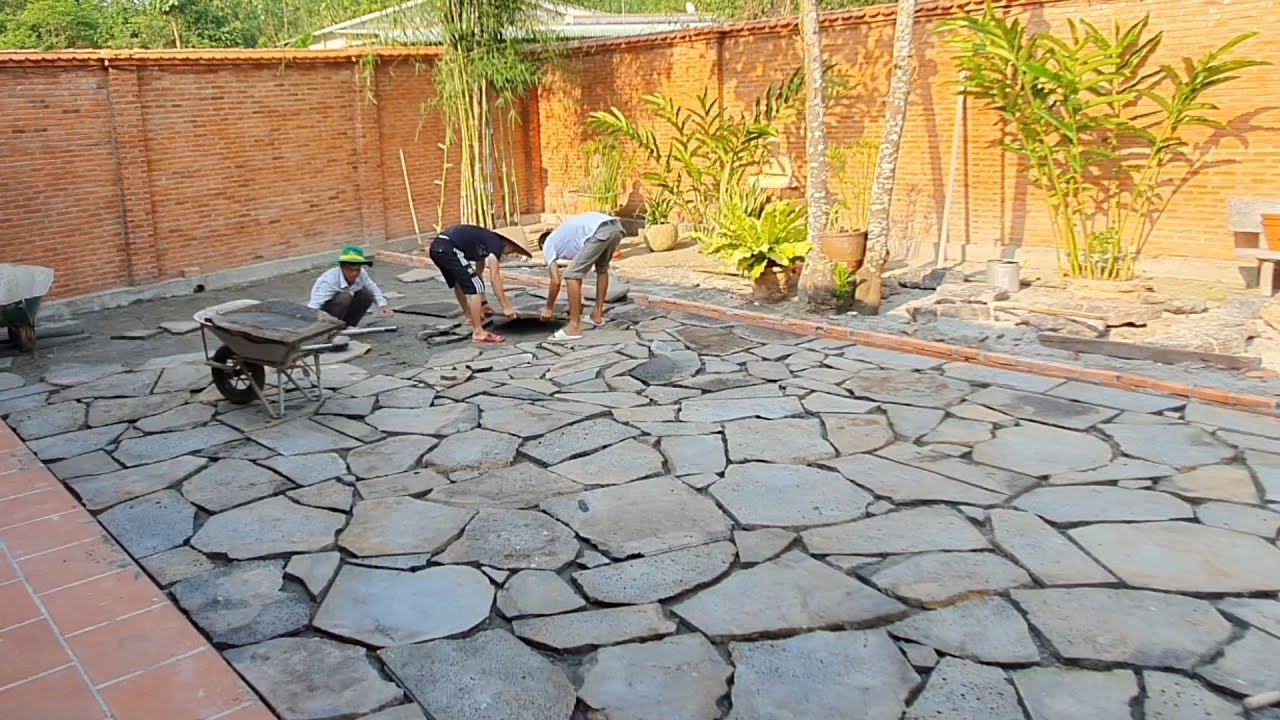
Natural stone pavers consist of materials like granite, limestone, or slate.
Advantages
- Unique look; no two rocks are alike
- Extremely sturdy and long-lasting
Disadvantages
- Often more costly than other types
4. Absorptive Leading Stones
Overview
Permeable pavers allow water to permeate via them into the ground below.
Advantages
- Reduces runoff
- Helps manage stormwater effectively
Disadvantages
- May require even more upkeep to avoid clogging
Choosing the Right Sort of Interlocking Paver for Your Project
When considering your task needs, ask yourself:
What is your primary use?
Whether it's a driveway or patio area can influence your choice significantly.
What's your budget?
Some kinds can be extra expensive than others-- knowing your spending plan helps narrow down options quickly!
How essential is aesthetics?
If you desire something unique or themed, choosing all-natural rock might fit your style far better than standard concrete options.
Paving Installation Process Overview
Installing interlacing pavers includes a number of actions:
- Planning and Design
- Create a format that matches your space.
- Site Preparation
- Excavate the location where you prepare to set the pavers.
- Base Material Installation
- A strong base is important; commonly crushed stone or crushed rock is used.
- Laying Pavers
- This step calls for accuracy-- making sure positioning and spacing.
- Compacting
- Use a plate compactor to establish the pavers firmly in place.
- Joint Filling
- Fill joints with sand or polymeric sand for stability.
- Sealing (optional)
- Sealing can boost color and protect against stains.
Hiring a Specialist vs Do It Yourself Installation
While lots of property owners fearlessly tackle do it yourself tasks themselves, working with a specialist paver installer can conserve time and ensure high quality outcomes:
Advantages of Working with Specialists:
- Expertise in Product Selection
- Efficient Installment Time
- Warranty on Workmanship
Disadvantages:
- Higher total cost
- Less personal participation in layout choices
FAQs Regarding Interlocking Pavers
1. The length of time do interlacing pavers last?
Interlocking pavers can last over 25 years paver driveway Walnut Creek with appropriate maintenance!
2. Are interlacing pavers slippery when wet?
Not necessarily! Many producers supply distinctive surfaces especially created for grip also when Home page wet.
3. Can I install interlocking pavers myself?
Yes! With some preparation and effort, many house owners effectively finish their very own paving installation projects.
4. Do I need to seal my interlocking paver driveway?
Sealing isn't required but extremely advised as it protects against discolorations and boosts durability.
5. What upkeep do interlocking pavers require?
Regular sweeping and occasional pressure cleaning will certainly maintain them looking great!
6. Can I blend various kinds of interlacing paver materials?
Absolutely! Mixing products can create special styles but make certain compatibility pertaining to dimension and shape.
Conclusion
In verdict, "Checking out Different Kinds Of Interlocking Pavers: Which One is Right for You?" exposes that selecting the ideal type rests on a number of factors including use situations, spending plan constraints, looks preferences, and whether you like specialist help or DIY installment approaches! By understanding each option's advantages and negative aspects together with correctly performing paving installment strategies-- your outside area can transform right into an outstanding useful room that impresses guests while including worth to your home!